
Discover Educational Pricing Created for Learning Environments


Every creative classroom starts with an idea. A student sketches a logo for the first time, an art teacher plans a screen printing lesson, or a college design program prepares for a new semester. What these situations have in common is the need for quality materials that fit within a limited budget.
Schools, colleges, universities, and nonprofit learning centers often balance ambitious educational goals with tight funding. Finding dependable supplies at reasonable prices can make a meaningful difference. That's where an educational program designed specifically for learning environments becomes valuable. It allows educators to invest more in hands-on learning while keeping costs under control.
Why Educational Pricing Matters
Creative education is most effective when students can practice with professional-quality materials instead of relying only on demonstrations or textbooks. Whether students are learning graphic design, textile printing, entrepreneurship, or fine arts, practical experience builds confidence and real-world skills.
Educational pricing helps schools:
Stretch classroom budgets further.
Purchase larger quantities of supplies.
Replace worn equipment more easily.
Expand creative programs without increasing expenses.
Give more students access to hands-on projects.
Instead of limiting activities because of budget concerns, educators can focus on creating engaging learning experiences.
Supporting Every Type of Learning Environment
Educational pricing isn't limited to universities. Many different organizations benefit from programs designed for educators, including:
Elementary and high schools
Colleges and universities
Technical and vocational schools
Community colleges
Art academies
Career training centers
Nonprofit educational organizations
After-school programs
Youth development programs
Each learning environment has different goals, but they all share the need for dependable supplies that support student success.
Building Strong Creative Programs
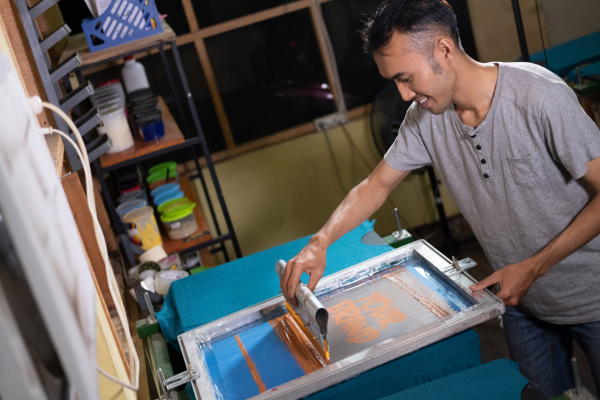
Screen printing continues to grow as both an artistic skill and a business opportunity. Students learn more than printing techniques—they develop problem-solving abilities, production planning, teamwork, and creative thinking.
A well-equipped classroom can introduce students to:
Custom apparel production
Graphic design fundamentals
Printmaking techniques
Small business concepts
Product branding
Color theory
Production workflow
Quality control
These practical experiences often prepare students for careers in design, marketing, manufacturing, and entrepreneurship.
Affordable Screen Printing Supplies with Educational Pricing
Selecting the right materials doesn't always require choosing the most expensive options. Schools often achieve better long-term value by purchasing durable products through an educational discount program.
Affordable Screen Printing Supplies with Educational Pricing help educators access reliable materials while staying within annual purchasing budgets.
Common classroom essentials include:
Water-based inks
Plastisol inks
Emulsion
Screen printing frames
Squeegees
Exposure supplies
Cleaning chemicals
Heat transfer equipment
Practice garments
Classroom starter kits
Having dependable supplies available allows instructors to spend more time teaching and less time troubleshooting inconsistent materials.
What Schools Should Look for in an Educational Program
Not every discount program offers the same level of value. Before enrolling, educators should consider several important factors.
Straightforward Eligibility
A simple verification process saves time and allows schools to begin purchasing quickly.
Consistent Savings
Reliable pricing throughout the school year makes budgeting easier for administrators and purchasing departments.
Quality Products
Lower prices should never mean sacrificing performance. Durable supplies reduce waste and help students achieve better results.
Wide Product Selection
A broad catalog allows instructors to order everything they need from one source instead of managing multiple vendors.
Helpful Customer Support
Knowledgeable support teams can answer product questions and recommend materials that fit different classroom projects.
Making Classroom Budgets Go Further
Education budgets rarely increase at the same pace as supply costs. Every dollar saved on materials creates opportunities elsewhere.
Schools often use those savings to:
Introduce new classroom projects.
Purchase additional equipment.
Expand student participation.
Upgrade aging supplies.
Support extracurricular programs.
Launch student business initiatives.
Small savings on each order can have a significant impact over an entire academic year.
Encouraging Hands-On Learning
Students often remember projects they create themselves more than lectures they hear.
Printing a class T-shirt, designing event merchandise, or producing artwork for school fundraisers gives students a sense of ownership over their learning.
Hands-on experiences also encourage:
Creative confidence
Team collaboration
Critical thinking
Project planning
Attention to detail
Communication skills
These abilities extend well beyond the classroom and remain valuable in nearly every career path.
Choosing a Long-Term Partner
Educational pricing is about more than receiving a discount. It is about working with a supplier that understands the needs of instructors and students.
Reliable suppliers help schools prepare for new semesters, seasonal projects, and growing enrollment by maintaining consistent inventory and providing dependable service.
A strong partnership can simplify purchasing while ensuring classrooms stay fully stocked throughout the school year.
Investing in Student Success
Creative education flourishes when students have access to the right tools. Affordable materials allow instructors to focus on teaching rather than constantly adjusting projects to fit budget limitations.
Whether introducing beginners to screen printing or supporting advanced design courses, educational pricing helps learning environments provide meaningful, practical experiences that inspire future artists, entrepreneurs, and creative professionals.
When schools combine thoughtful planning with quality supplies, every project becomes another opportunity for students to learn, create, and build skills that last long after graduation.


Comments