
From Beginner to Pro: Understanding What DTF Printing Means


The custom apparel industry has changed rapidly over the past few years. Whether you're a hobbyist creating personalized T-shirts at home or a business owner expanding your printing services, you've likely come across the term DTF Printing. While it may sound complicated at first, the process is surprisingly simple once you understand how it works.
Unlike traditional printing methods that often require specific fabrics or lengthy setup times, DTF offers flexibility, vibrant colors, and durable results. If you're just starting your printing journey, this guide will help you understand what DTF printing means, how it works, and why it's becoming a preferred choice for creators around the world.
What Does DTF Printing Mean?
DTF stands for Direct to Film printing. Instead of printing directly onto fabric, the design is first printed onto a special transfer film using dedicated inks. A layer of adhesive powder is then applied to the printed design, cured with heat, and finally transferred onto the fabric using a heat press.
This method allows detailed, full-color designs to be applied to many different materials without sacrificing quality.
The term direct to film print simply refers to the finished transfer created on the film before it is pressed onto the garment.
How Does the DTF Printing Process Work?
Although the technology behind DTF has advanced significantly, the basic workflow remains straightforward.
Step 1: Design Creation
Everything begins with digital artwork. High-resolution graphics produce the best results, especially when printing logos, illustrations, or photographs.
Step 2: Printing on Transfer Film
The design is printed onto a transparent PET transfer film using specialized DTF inks. The printer also creates a white ink layer behind the colors, helping the design remain vibrant on both light and dark fabrics.
Step 3: Adhesive Powder Application
A hot-melt adhesive powder is evenly spread across the printed image while the ink is still wet. This powder is essential because it allows the design to bond securely with the fabric.
Step 4: Curing the Film
The adhesive is cured using heat, creating a ready-to-use transfer that can be stored until needed.
Step 5: Heat Transfer
The transfer is placed on the garment and pressed with a heat press. After cooling, the film is peeled away, leaving behind a colorful, durable print.
Why Is DTF Printing Becoming So Popular?
One reason many businesses are switching to DTF is its versatility. Unlike some printing methods that work best on only certain fabrics, DTF performs well across a wide variety of materials.
Some of its biggest advantages include:
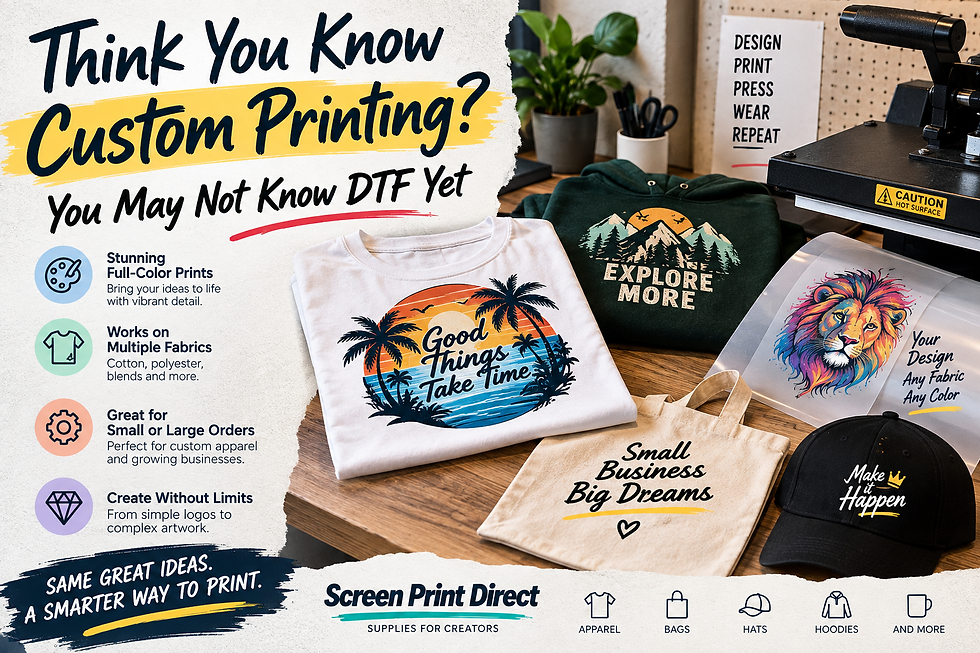
Prints on cotton, polyester, canvas, denim, blends, and more
Bright, detailed colors with excellent opacity
Soft finish that feels comfortable to wear
Suitable for small orders and large production runs
Minimal setup compared to other printing methods
Long-lasting prints that resist cracking and fading
These benefits make DTF a practical choice for apparel brands, promotional companies, online stores, and independent creators.
DTF Printing vs. Other Printing Methods
Understanding how DTF compares with other techniques makes it easier to choose the right solution.
DTF vs. Direct-to-Garment (DTG)
DTG prints directly onto fabric using textile ink. It delivers impressive detail but performs best on cotton garments and usually requires pretreatment before printing.
DTF, on the other hand, works with a broader range of materials and offers greater flexibility for mixed fabric orders.
DTF vs. Heat Transfer Vinyl (HTV)
HTV involves cutting colored vinyl and applying it to garments. While it's great for names, numbers, and simple graphics, complex artwork can become time-consuming.
DTF handles intricate, full-color images much more efficiently.
DTF vs. Screen Printing
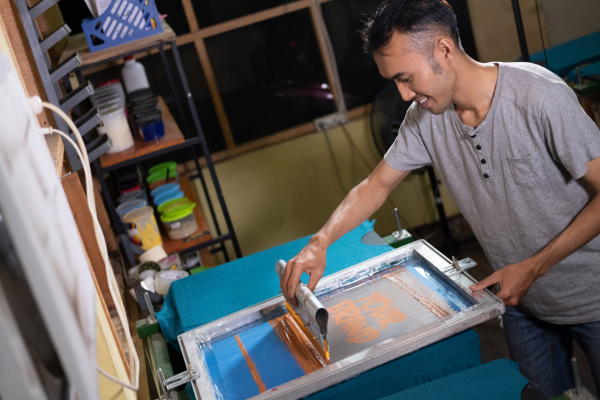
Many businesses still rely on traditional screen printing because it's cost-effective for high-volume orders. However, each color requires a separate screen, making short production runs more expensive.
This is where screen printing education becomes valuable. Understanding the strengths of both methods helps print shops choose the right process for each project rather than relying on a single technique.
Who Should Use DTF Printing?
One of the biggest strengths of DTF is its accessibility.
It works well for:
Small business owners
Clothing brands
Print-on-demand sellers
Hobbyists
School apparel creators
Event merchandise suppliers
Sports team uniform decorators
Whether you're producing one shirt or several hundred, DTF offers consistent quality without extensive setup.
Common Applications
Today, DTF printing is used for much more than T-shirts.
Popular products include:
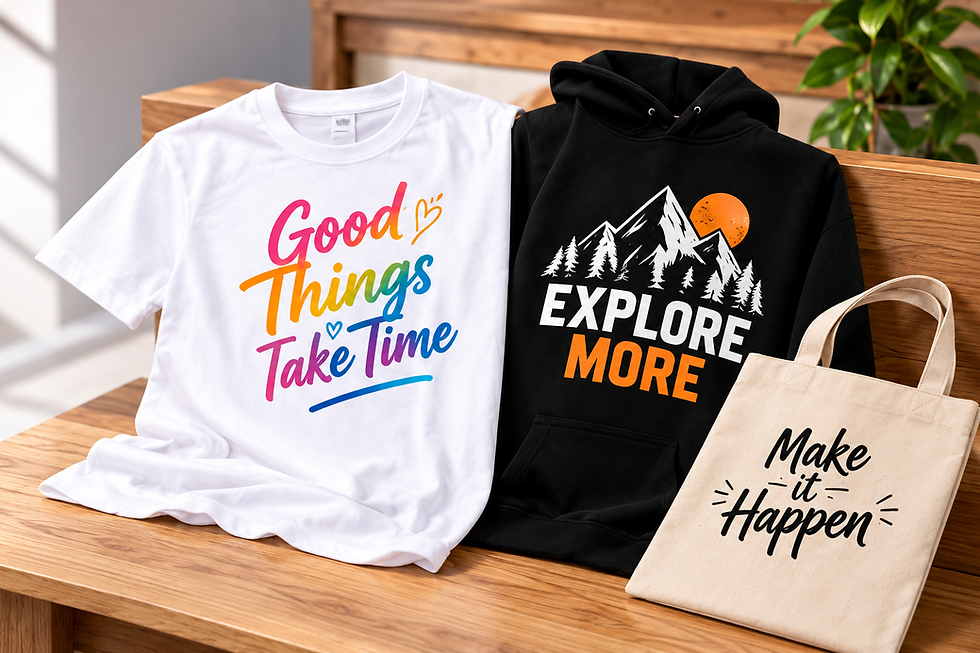
Hoodies
Sweatshirts
Tote bags
Hats
Work uniforms
Sportswear
Baby clothing
Canvas products
Promotional apparel
Its versatility allows businesses to expand their product offerings without investing in multiple printing systems.
Tips for Better DTF Prints
If you're new to DTF, following a few best practices can improve your results.
Use high-resolution artwork whenever possible.
Choose quality transfer film and certified inks.
Store adhesive powder in a dry environment.
Follow recommended heat press temperature and pressure settings.
Allow garments to cool before peeling the transfer when required.
Wash printed garments inside out to maximize durability.
These simple habits help produce professional-looking prints that customers will appreciate.
Is DTF Printing Worth Learning?
The demand for personalized apparel continues to grow, and DTF offers an excellent balance of quality, flexibility, and affordability. Beginners appreciate its straightforward workflow, while experienced decorators value its ability to handle diverse materials and complex designs.
Learning DTF doesn't mean replacing every other printing method. Instead, it gives you another powerful option that can complement existing production techniques and open new business opportunities.
Final Thoughts
Understanding what DTF printing means is the first step toward creating high-quality custom apparel with confidence. From its simple transfer process to its compatibility with a wide range of fabrics, DTF has become one of the most practical solutions for modern garment decoration.
Whether you're launching your first clothing brand, expanding an existing print shop, or simply exploring new creative possibilities, investing time in learning DTF Printing can help you produce vibrant, durable designs with greater efficiency. As your skills grow, you'll better understand when to use direct to film print technology alongside other methods, strengthening your overall screen printing education and preparing you for a wide range of printing projects.
Comments